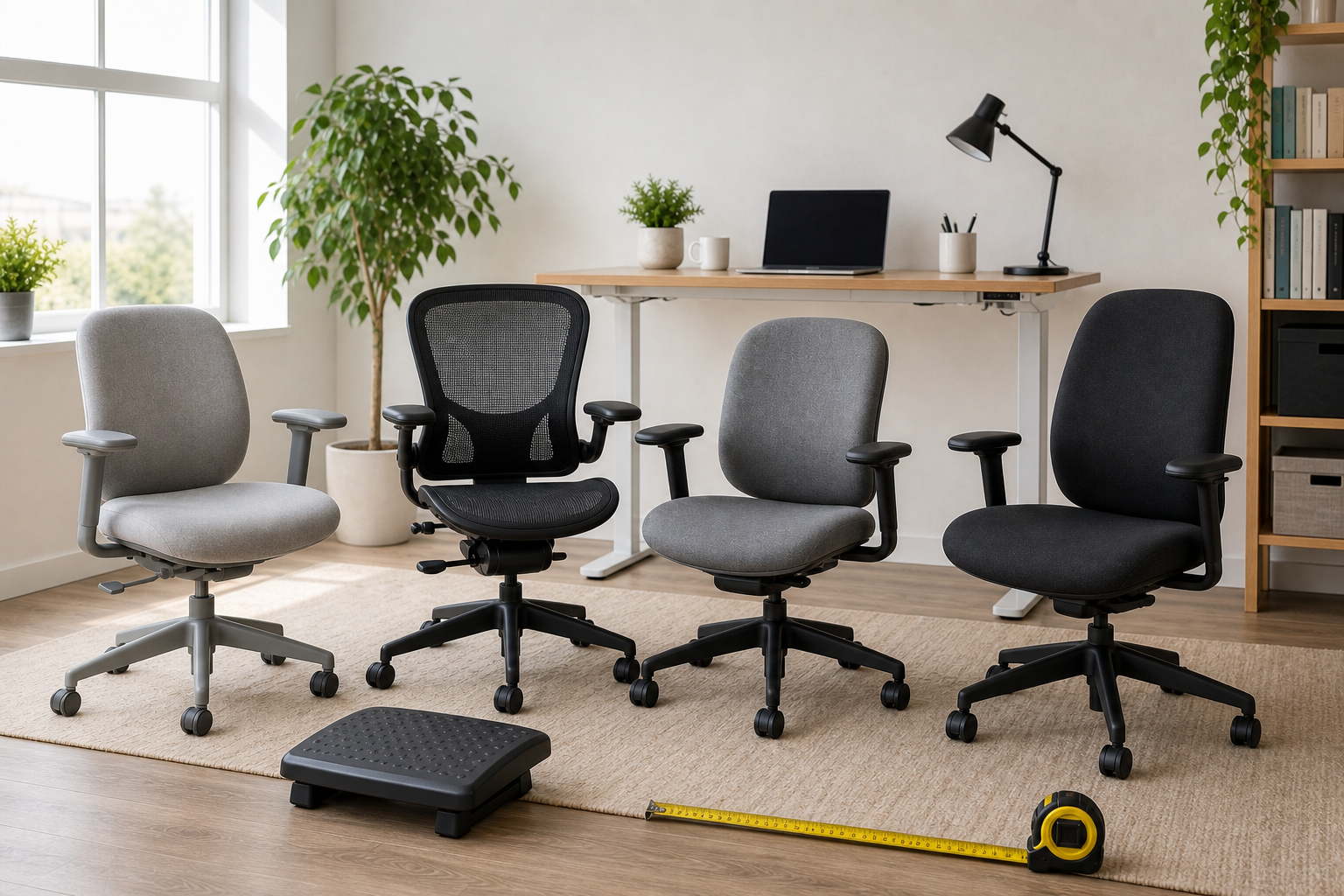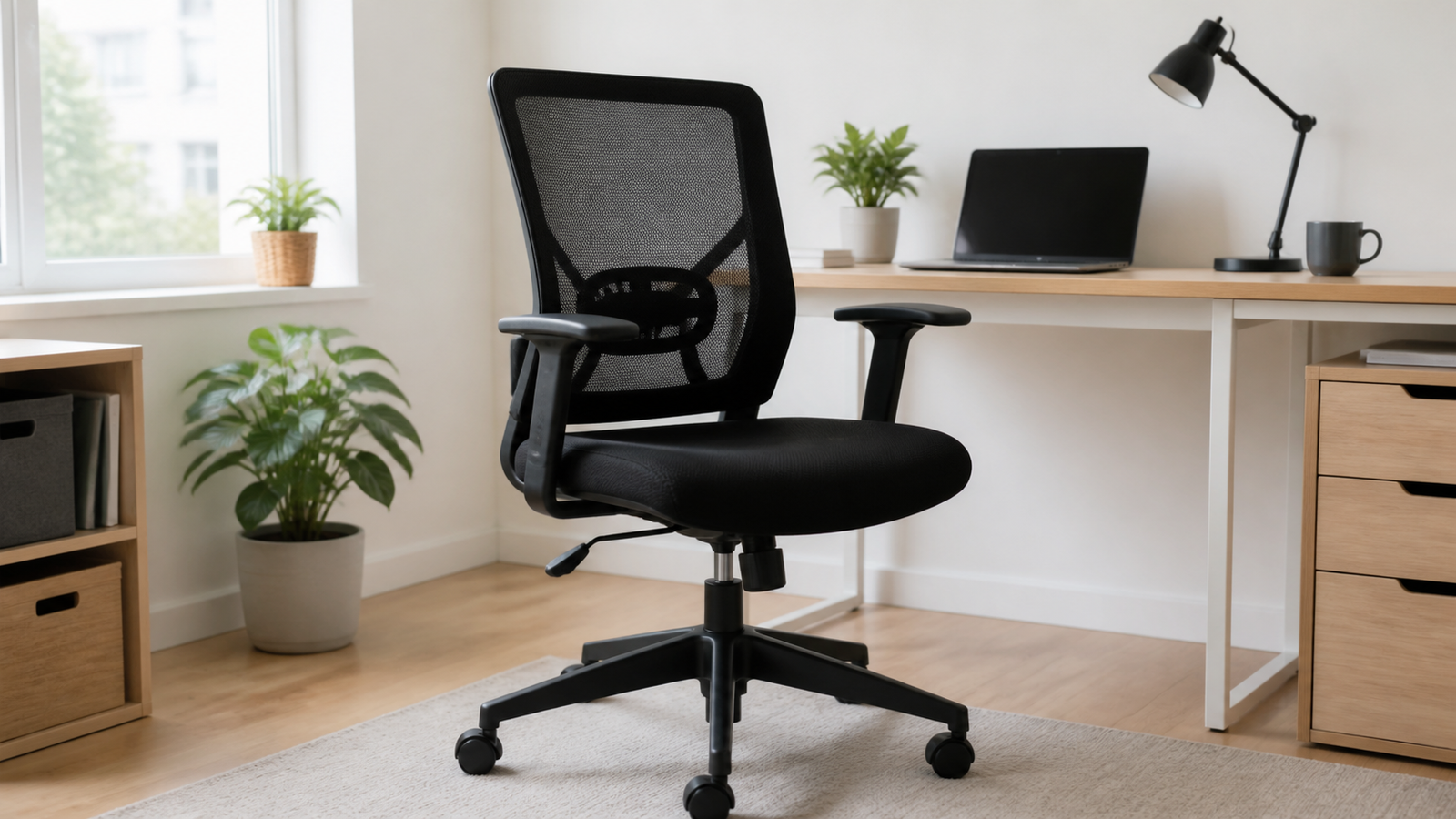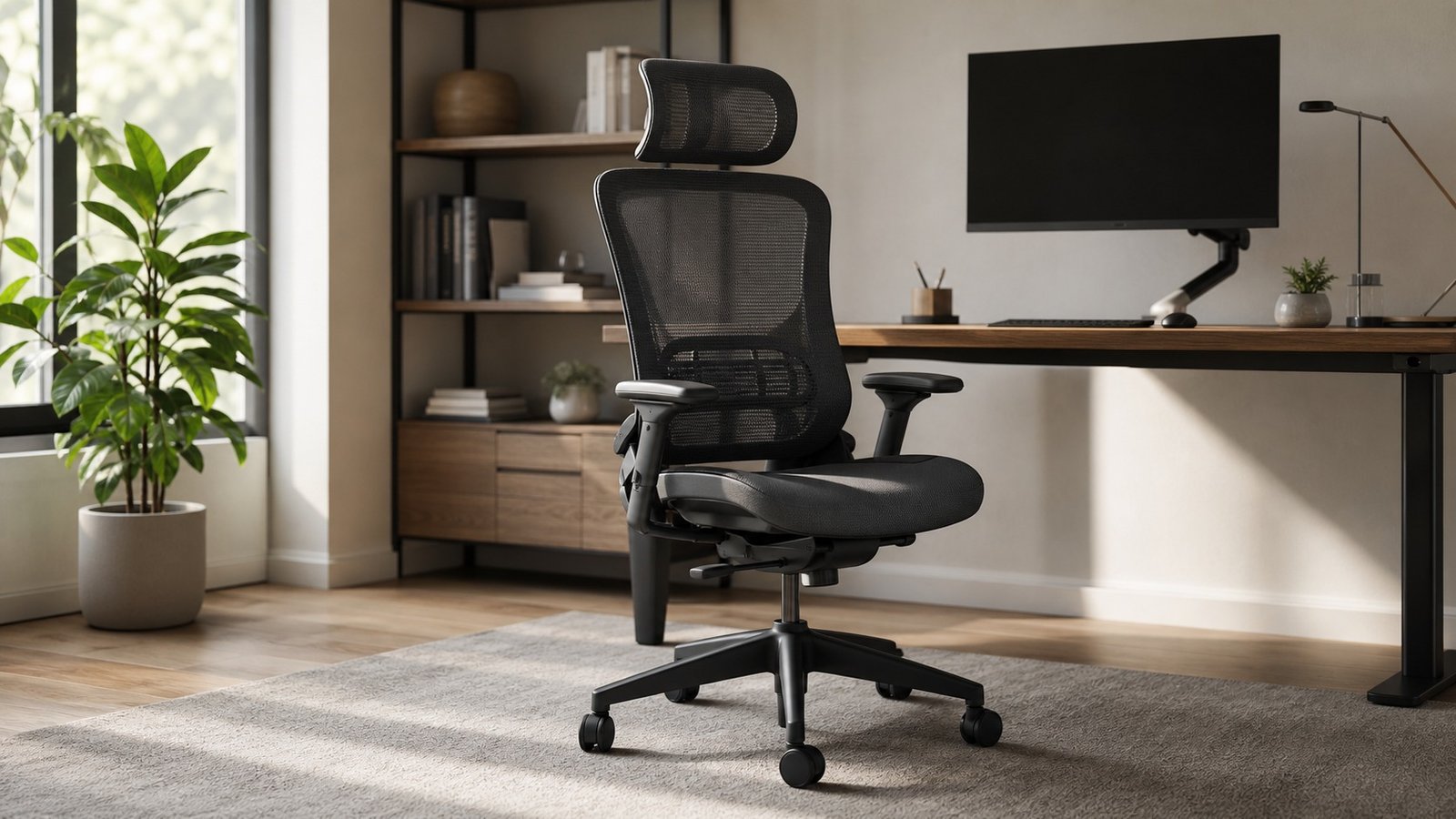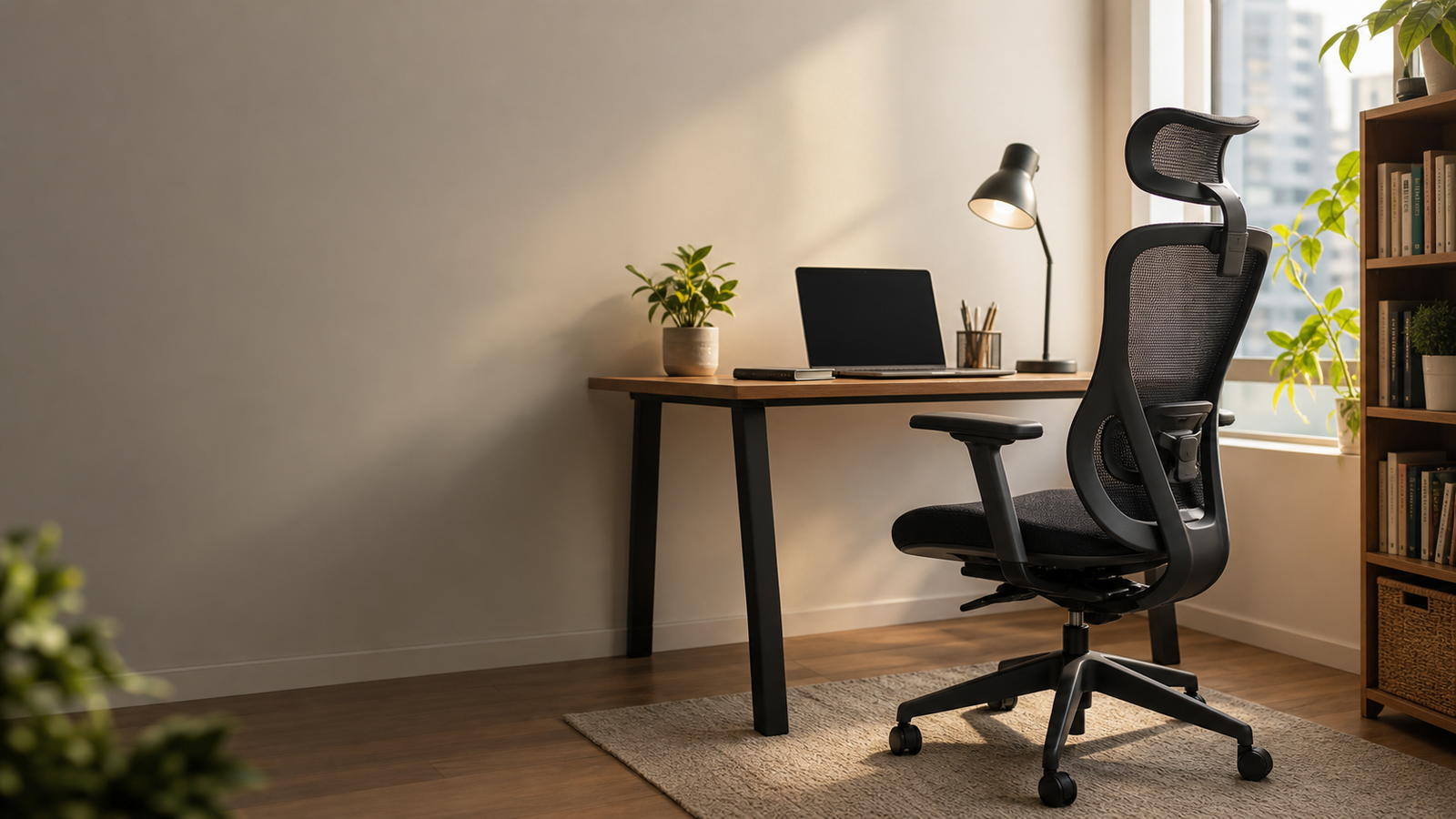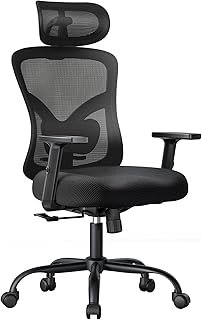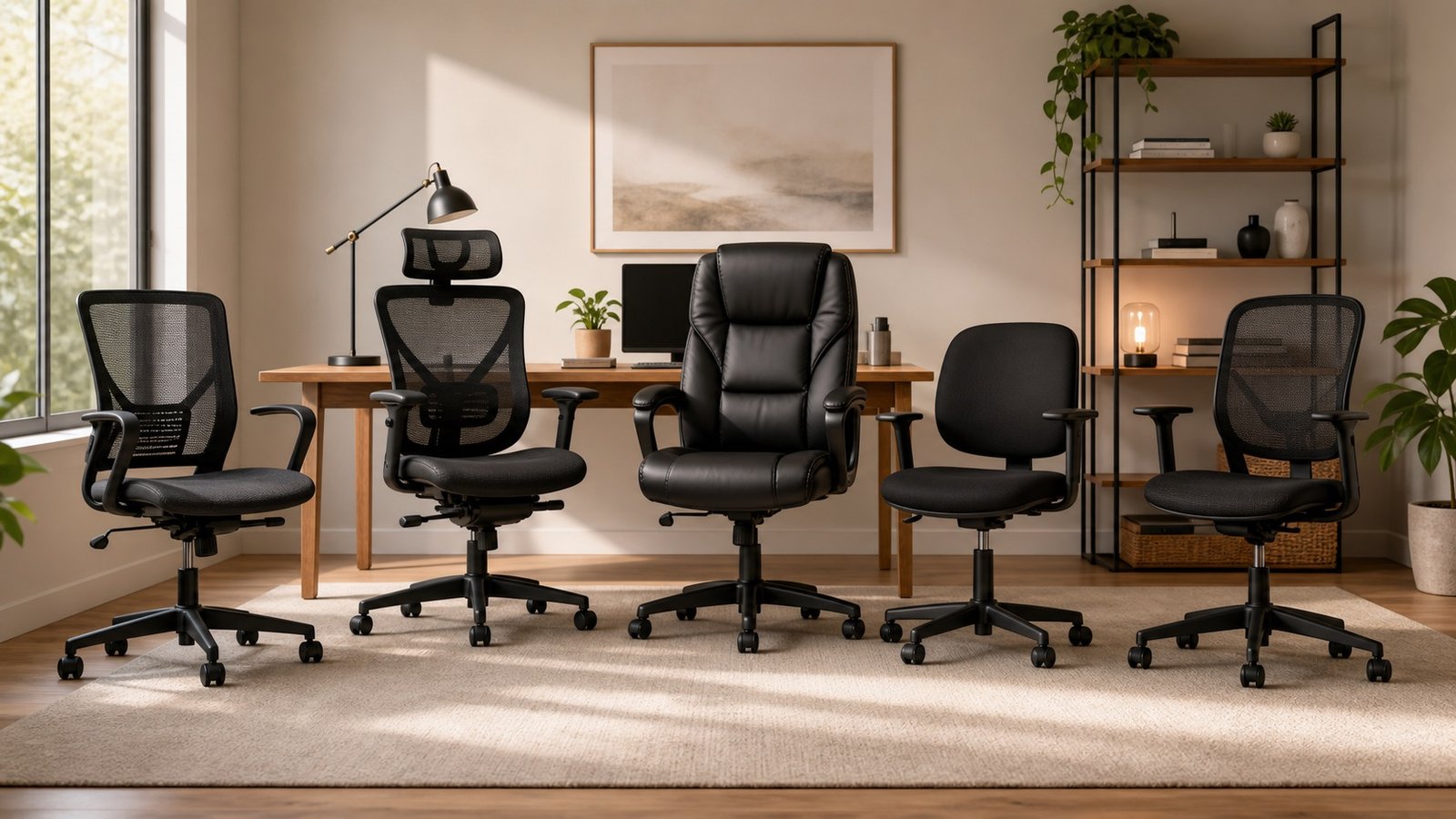
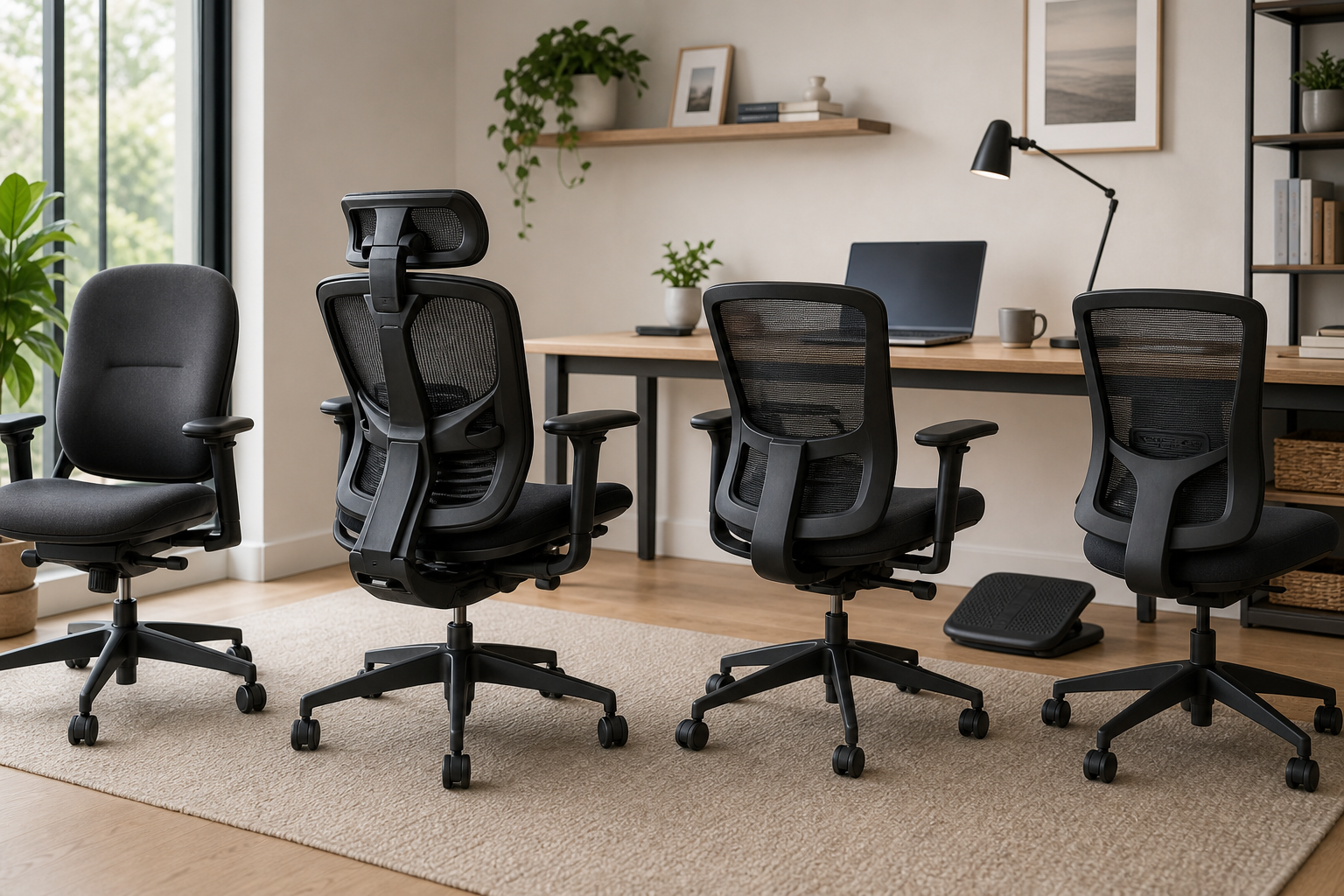
No desk chair can cure sciatica. That is the first thing to get right. Sciatica involves pain that can travel along the sciatic nerve path, and persistent pain, numbness, weakness, or worsening symptoms deserve medical guidance.
What a good chair can do is reduce some of the sitting problems that often make desk work feel worse: a seat pan that presses into the back of the thighs, a backrest that does not support the natural lower-back curve, armrests that lift the shoulders, or a recline that forces you into one rigid posture all day.
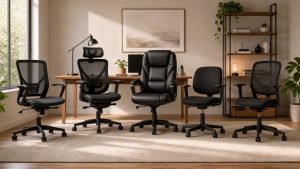
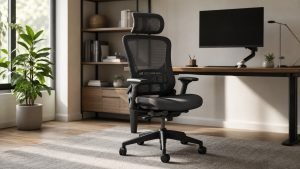
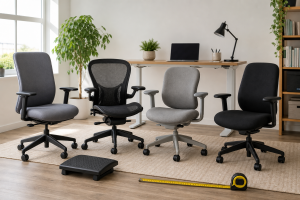
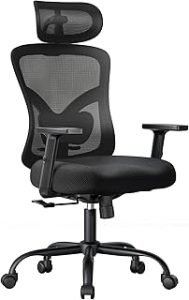
The best desk chair for sciatica-prone sitting is not the chair with the biggest lumbar pad. It is the chair that lets you fit the seat to your body, shift positions, and avoid constant pressure in one spot.
Quick Picks: Best Desk Chairs for Sciatica-Prone Sitting
| Pick | Best for | Key adjustment | Main tradeoff |
|---|---|---|---|
| Best Overall: Steelcase Leap V2 | Most people who need a high-adjustment chair | Seat depth, LiveBack, recline, arms, lumbar | Used/refurbished quality varies |
| Best Pressure-Distribution Chair: Herman Miller Embody | Users who dislike aggressive lumbar support | Flexible back and pressure-distributing seat | Expensive and polarizing |
| Best Mesh Chair If You Fit It: Herman Miller Aeron | Hot offices and people who like suspended mesh | Three sizes, PostureFit SL, recline | Seat frame can bother some thighs/hips |
| Best Mid-Range Adjustable Pick: Branch Ergonomic Chair | Buyers who want core adjustments under premium prices | Seat depth, lumbar, recline, arms | Not as refined as Steelcase or Herman Miller |
| Best Budget Adjustable Chair: SIHOO Doro C300 Pro | Budget home offices | Dynamic lumbar, arms, recline, headrest | Fit and durability expectations should stay realistic |
If you want the safest starting point, look at the Steelcase Leap V2 first. If seat pressure is the bigger problem than lumbar support, the Herman Miller Embody is worth considering. If you love mesh and can choose the right size, the Aeron is still a strong chair, but it is less forgiving when the size is wrong.
What Actually Matters for Sciatica at a Desk
Sciatica-friendly chair shopping should start with pressure, not marketing. The wrong chair can put pressure behind the thighs, tilt the pelvis backward, or lock the lower back into a position that feels bad after 20 minutes. A better chair gives you more ways to reduce those problems.
Seat depth is one of the biggest details. If the seat is too deep, the front edge can press into the back of the knees or upper legs. That pressure can make sitting feel worse for people who already have radiating leg discomfort. A good fit leaves a small gap between the seat edge and the back of the knees while still supporting most of the thighs.
Lumbar support matters, but it should support your natural curve rather than shove your back forward. Some people like a pronounced adjustable lumbar pad. Others do better with a flexible backrest that spreads support over a larger area. This is why the Leap and Embody can both make sense for sciatica-prone sitting even though they feel very different.
Recline is also underrated. Sitting bolt upright all day is not automatically better. A controlled recline can spread load through the backrest and reduce constant pressure through the pelvis. The best chairs let you recline without losing keyboard and monitor position.
Medical sources such as Mayo Clinic, Cleveland Clinic, and the NHS all treat sciatica as a health condition rather than a furniture problem. That boundary matters. A chair can help the workday feel more manageable, but movement breaks, appropriate care, and a professional evaluation become more important when symptoms persist or worsen.
Best Overall: Steelcase Leap V2
The Steelcase Leap V2 is the best overall pick because it gives you more usable adjustment than most office chairs. For sciatica-prone sitting, that matters more than a dramatic-looking lumbar pad.
The Leap’s strongest feature is fit control. Steelcase describes Leap with LiveBack support, adjustable seat depth, recline, and arm adjustments. In practical terms, that means you can shorten or lengthen the seat, tune the back tension, move the arms closer to your typing position, and adjust the back support instead of trying to adapt your body to a fixed chair.
The seat-depth adjustment is especially useful. If the front of your current chair presses into the back of your thighs, the Leap gives you a real way to change that relationship. The backrest also has enough flexibility to support movement rather than forcing one stiff posture.
Owner discussions around Leap usually focus on that adjustability. It is often recommended in office-chair communities because it fits a broad range of bodies and can be found new, used, or refurbished. The caution is condition. A worn used Leap can have tired foam, a weak cylinder, missing lumbar parts, or old fabric, so the seller and return policy matter.
Choose the Leap if you want the most practical mix of adjustability, long-workday support, and availability. Skip it if you want a soft lounge-like seat or if you cannot verify the condition of a refurbished unit.
Best Pressure-Distribution Chair: Herman Miller Embody
The Herman Miller Embody is the chair to consider when traditional lumbar support feels too aggressive. Instead of relying on one obvious pad, the Embody is built around a flexible back and a seat designed to distribute pressure.
That makes it appealing for people who feel worse when a chair has a hard lumbar bump or a narrow pressure point. Herman Miller describes the Embody around ergonomic support, movement, and pressure distribution. The seat and back feel different from most task chairs, which is why the chair has such strong fans and strong skeptics.
For sciatica-prone sitting, the potential upside is less concentrated pressure. The Embody encourages small posture changes and spreads support across the back and seat. If you tend to shift around constantly because one spot gets irritated, that can be valuable.
The downside is price and fit risk. Reddit and owner discussions around the Embody are notably split. Some people find it excellent for long sessions. Others dislike the back shape, the seat feel, or the way it encourages posture. At this price, buying without a trial or easy return is risky.
Choose the Embody if pressure distribution and dynamic support matter more to you than a very pronounced lumbar pad. Skip it if you need a cheaper chair or if you cannot try it long enough to know whether the unusual feel works for your body.
Best Mesh Chair If You Fit It: Herman Miller Aeron
The Herman Miller Aeron can be excellent for sciatica-prone sitting, but only when the fit is right. That condition is important enough to be in the recommendation itself.
The Aeron uses breathable mesh suspension, comes in multiple sizes, and can include PostureFit SL support. The mesh is a major reason people love it: it runs cooler than foam and gives a suspended feel rather than a thick cushion. For long desk sessions in a warm room, that can make a real difference.
The fit risk comes from the frame. The Aeron’s seat is not a soft rectangular cushion that forgives every body shape. It has a defined shell and front edge. If the size is wrong, or if the frame contacts your thighs or hips in the wrong place, it can become irritating quickly.
Owner discussions around Aeron sizing often mention thigh pressure, leg discomfort, and size A/B/C decisions. That does not mean the Aeron is bad for sciatica. It means you should treat size selection as part of the purchase, not as a detail. A correctly sized Aeron can feel supportive and breathable; a poorly sized one can feel like an expensive mistake.
Choose the Aeron if you already know you like mesh chairs, run warm, and can select the correct size. Skip it if you are sensitive to hard seat edges or cannot try the size before committing.
Best Mid-Range Adjustable Pick: Branch Ergonomic Chair
The Branch Ergonomic Chair is the mid-range pick for people who want real adjustments but do not want to pay Steelcase or Herman Miller prices. It is not as refined as those premium chairs, but it covers the basics that matter most for sciatica-prone sitting.
Branch lists adjustable seat depth, lumbar support, recline, height, and armrest options. That combination is exactly what a generic budget chair often misses. Seat depth helps reduce pressure behind the thighs. Adjustable lumbar support helps you position the backrest more accurately. Arm adjustments help keep shoulders relaxed while typing.
The Branch makes the most sense for a home office where a cheap chair is not working, but a premium chair feels out of reach. It gives you a better chance of fitting the chair to your body instead of relying on a fixed cushion and fixed arms.
The tradeoff is long-term refinement. Office-chair communities often compare Branch with used Steelcase or Herman Miller chairs. That is a fair comparison. A used premium chair may have better mechanics and support, but it can also come with condition risk. A new Branch can be simpler to buy and return.
Choose Branch if you want a clean, modern, adjustable chair at a mid-range price. Skip it if you can get a high-quality Leap in good condition with a trustworthy return policy.
Best Budget Adjustable Chair: SIHOO Doro C300 Pro
The SIHOO Doro C300 Pro is the budget pick because it gives buyers more ergonomic adjustment than a basic low-cost office chair. It should not be treated as a direct substitute for a Leap, Aeron, or Embody, but it is a reasonable option when the budget is the main constraint.
SIHOO describes the Doro C300 Pro with dynamic lumbar support, adjustable armrests, a headrest, and recline features. Those features matter because a sciatica-prone desk setup needs more than a padded seat. You need to tune the chair so your feet, thighs, pelvis, lower back, shoulders, and keyboard position work together.
The best reason to consider SIHOO is that it gives you adjustability at a lower price. If your current chair has fixed arms, no lumbar adjustment, and a seat that forces you into one posture, the Doro C300 Pro may be a meaningful upgrade.
The caution is expectation. Budget ergonomic chairs often look more adjustable than they feel over years of use. Materials, tolerances, warranty handling, and fit consistency may not match premium chairs. Reddit discussions around budget ergonomic brands usually reflect that: some users are happy, while others eventually move to a used premium chair.
Choose the SIHOO if you need an adjustable chair now and cannot spend more. Skip it if you can save for a better-tested chair or buy a refurbished premium chair from a seller with a strong return policy.
How to Set Up a Chair When Sciatica Flares
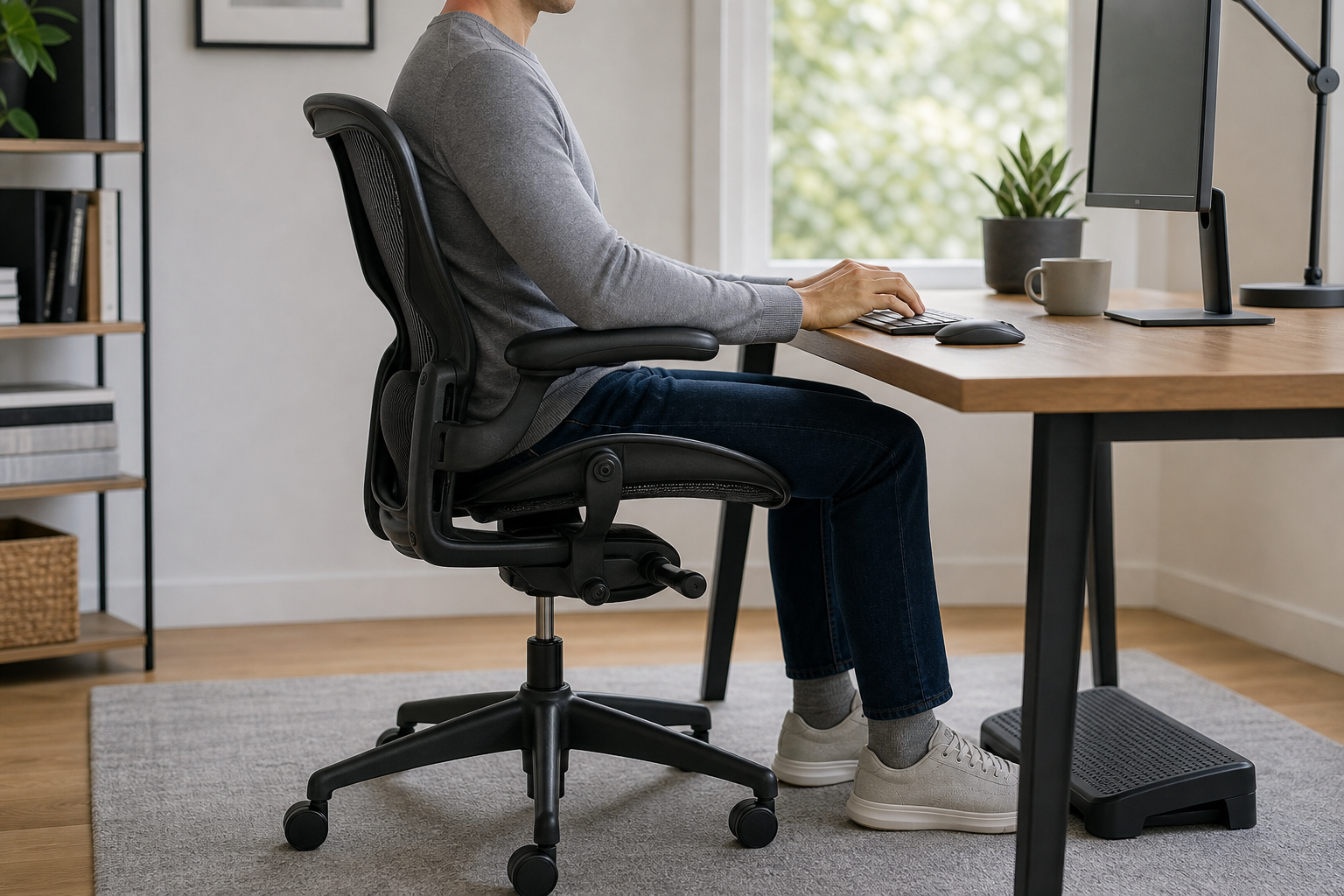
Even the right chair can feel wrong if it is set up badly. Start with seat height. Your feet should rest flat on the floor or a footrest, with knees around hip level or slightly lower. If your feet dangle, pressure can build under the thighs. If your knees sit too high, your pelvis may roll backward.
Next, set seat depth. Sit all the way back, then check the space between the front edge of the seat and the back of your knees. A gap of roughly two to three fingers is a useful starting point. The exact number matters less than the feeling: the chair should support your thighs without digging into the knee area.
Then adjust lumbar support. The support should meet the natural curve of your lower back. If it feels like it is pushing your spine forward, lower the intensity or position. If you cannot feel support at all, raise or lower it until it meets your back instead of your pelvis.
Set the recline so you can lean back slightly while still reaching the keyboard. A small recline can reduce the feeling of being stacked vertically on the pelvis all day. The chair should move with you, not dump you backward.
Finally, set the armrests so your shoulders stay relaxed. If the arms are too high, shoulders rise. If they are too low or wide, you may lean or reach. Either pattern can make long sitting feel worse.
Most important: change position. A chair setup is not a prescription to stay still. Stand, walk, recline, reset the seat, or use a footrest when needed. If symptoms are severe, worsening, or associated with weakness or numbness, the chair setup is secondary to getting appropriate medical advice.
Real-World Buying Lessons from Chair Owners
Owner feedback around sciatica-friendly chair shopping is less about one magic chair and more about fit risk.
The Leap’s strongest reputation comes from adjustment range. People who need to tune seat depth, back tension, lumbar feel, and arm position often end up considering it because it offers many ways to make small changes. The used market is also large, but condition matters. A worn cushion or missing lumbar slider changes the experience.
The Aeron teaches the opposite lesson: a great chair can still be wrong if the size or frame shape does not suit you. Mesh support, cooling, and PostureFit can be excellent, but the seat frame is less forgiving than a foam cushion. For people sensitive to thigh or hip pressure, size selection is not optional.
The Embody shows how personal pressure distribution can be. Some owners love the way it spreads support and allows movement. Others never adjust to the back shape or seat feel. That makes a trial period more valuable than another review.
For mid-range and budget chairs, the lesson is to prioritize return policy and adjustment over promises. Branch and SIHOO can make sense, but they should be judged by whether the seat depth, lumbar, armrests, and recline actually fit your body after several work sessions.
When a Chair Is Not Enough
A better chair can make desk work more tolerable, but sciatica is not simply a chair-shopping problem. If pain travels down the leg, worsens over time, comes with numbness or weakness, or follows an injury, medical guidance matters.
Seek urgent care if symptoms include loss of bladder or bowel control, major weakness, numbness in the groin/saddle area, or severe pain after trauma. Those are not furniture problems.
For ordinary desk discomfort, a chair is only one part of the setup. A footrest can help if the chair must sit high for the desk. A standing desk can create more posture variety. A separate seat cushion may help some people, but it can also raise the body and throw off lumbar and armrest alignment.
Movement breaks are often the missing piece. Even an excellent chair becomes a problem if it locks you into one posture all day. Think of the chair as a tool that makes better sitting easier, not a reason to sit longer without moving.
Final Verdict: Which Desk Chair Should You Buy?
For most people searching for the best desk chair for sciatica-prone sitting, start with the Steelcase Leap V2. Its adjustability gives you the best chance of reducing seat-depth, lumbar, and armrest fit problems.
Choose the Herman Miller Embody if pressure distribution matters more than a traditional lumbar pad. Choose the Herman Miller Aeron if you like mesh chairs and can get the size right.
The Branch Ergonomic Chair is the practical mid-range pick. The SIHOO Doro C300 Pro is the budget option when you need more adjustability than a basic office chair can provide.
FAQ
Can an office chair cure sciatica?
No. An office chair cannot cure sciatica or treat the underlying medical cause. A better chair can reduce some sitting-related pressure and make desk work more manageable, but persistent, worsening, or severe symptoms should be discussed with a qualified clinician.
Is a firm or soft chair better for sciatica?
Most people do better with a supportive seat rather than an extremely soft one. A very soft cushion can let the pelvis sink and roll backward, which may increase strain during long sitting. An overly hard seat can create pressure points. Look for support with enough give, plus adjustable seat depth.
Is mesh better than cushion for sciatica?
Mesh is not automatically better. It can stay cooler and distribute weight differently, but a mesh chair with a hard frame can bother the thighs or hips if the size is wrong. A cushioned chair can be more forgiving, but poor foam can bottom out. Fit matters more than material.
What chair adjustment matters most for sciatica?
Seat depth is often the first adjustment to check because pressure behind the thighs can make sitting feel worse. After that, look at lumbar height, recline tension, seat height, and armrest position. The chair should support the body without forcing pressure into one spot.
Should I use a seat cushion with these chairs?
A seat cushion can help some people, but it changes the chair geometry. It raises your body, changes where the lumbar support hits, and may make armrests or desk height wrong. If you add a cushion, reset the whole chair afterward and stop using it if it creates new pressure.