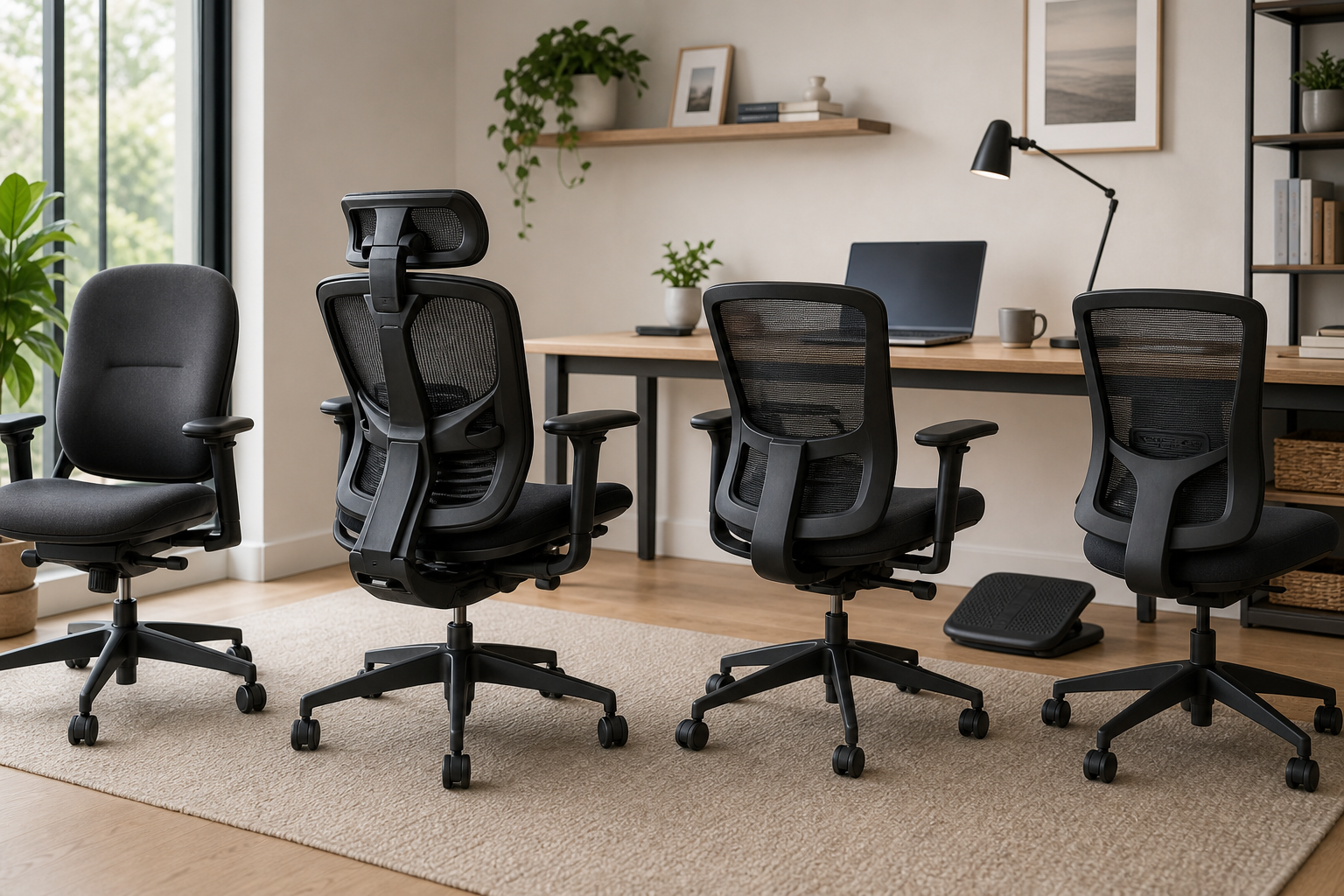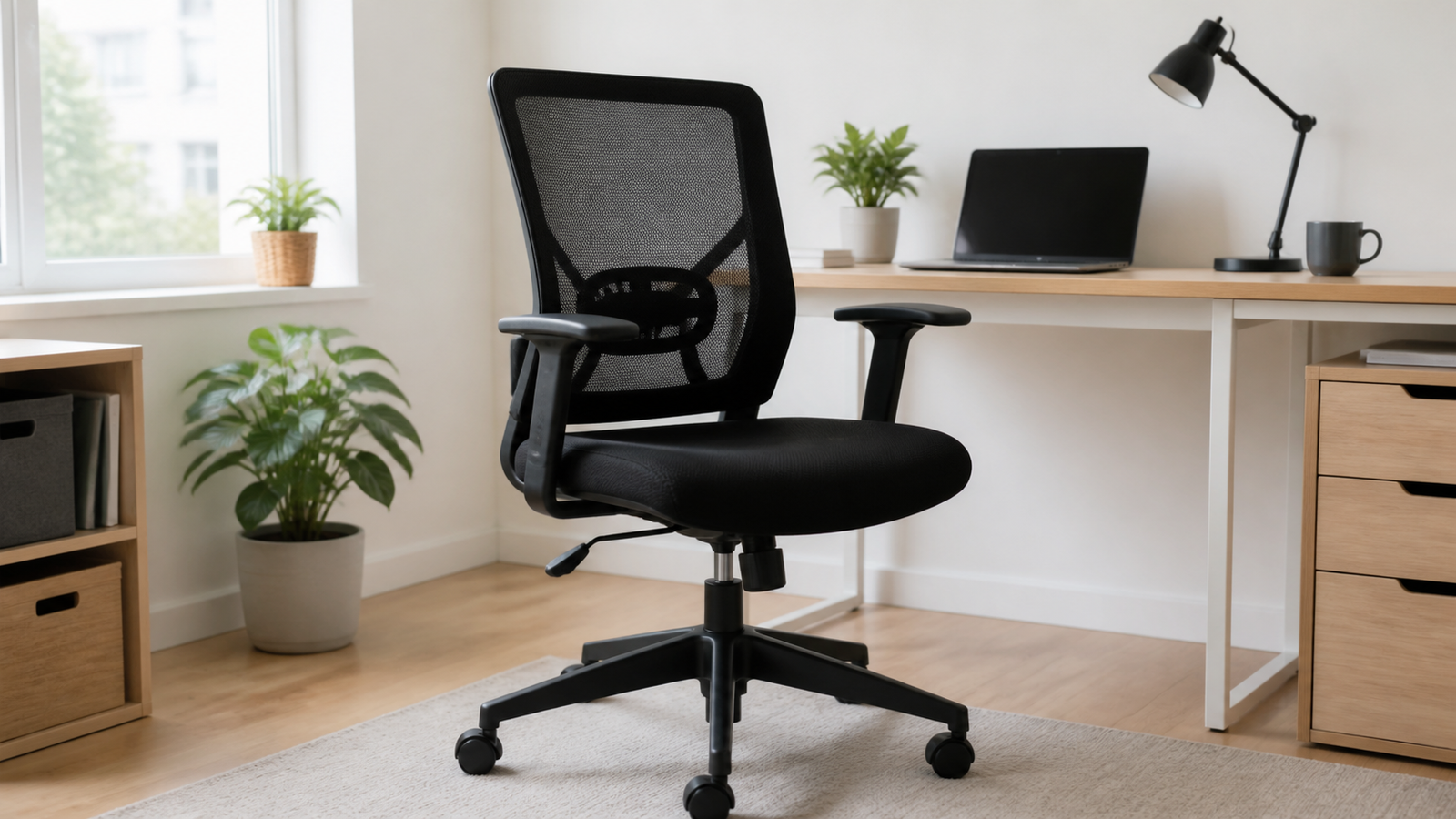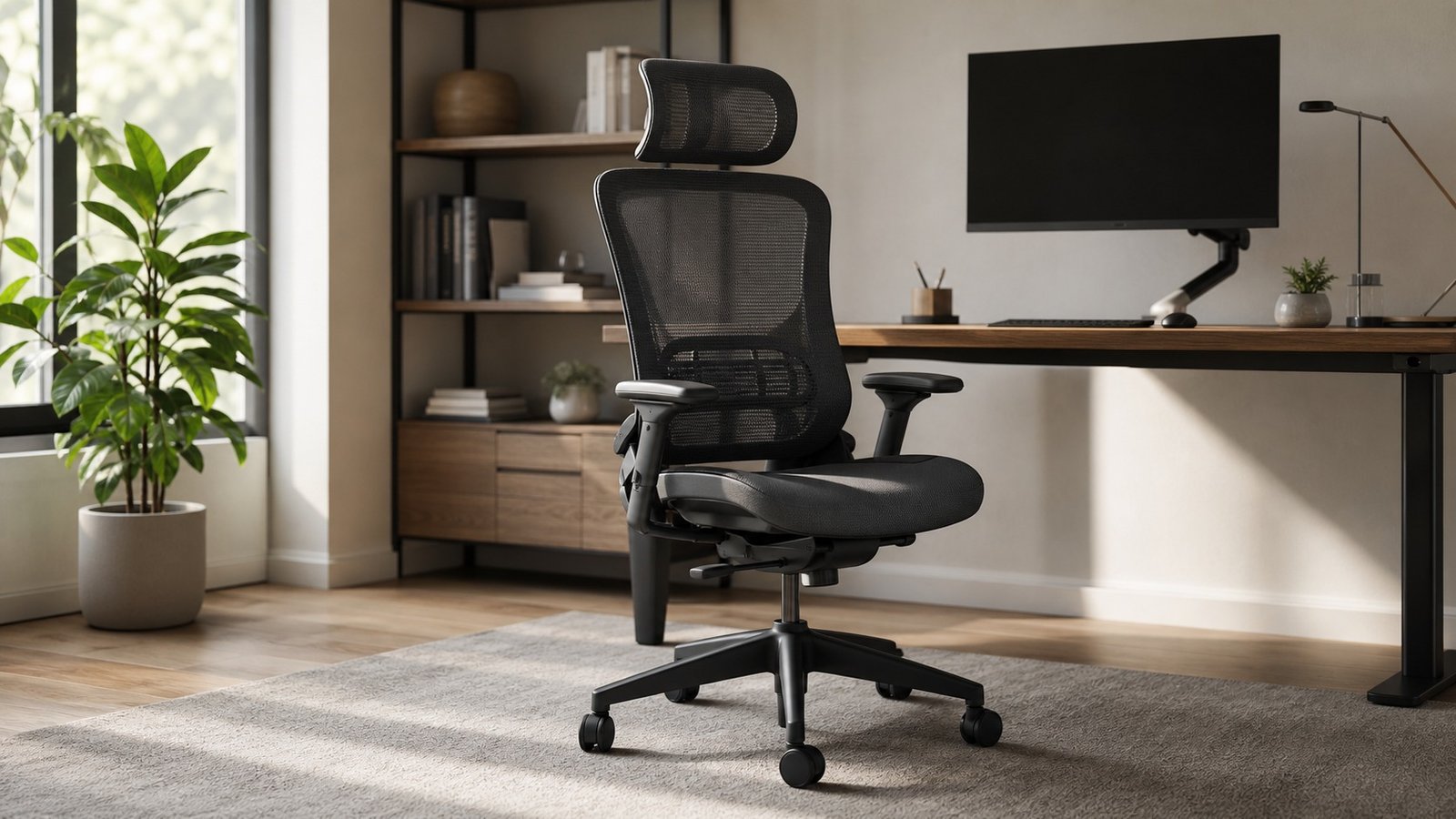
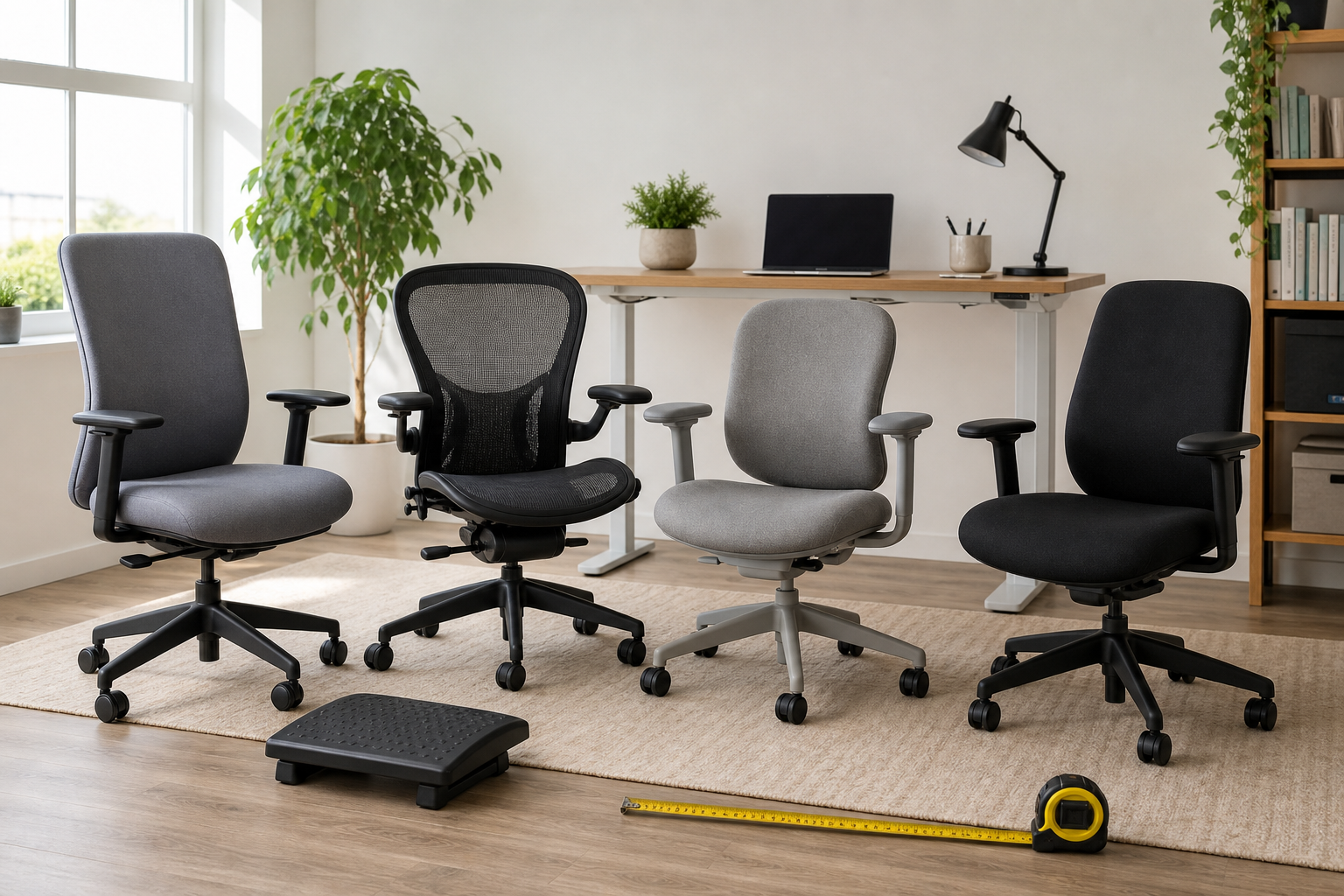
Buying a desk chair when you are short is frustrating because many “ergonomic” chairs are designed around average-height bodies. A chair can have expensive lumbar support, a premium mesh back, and a long warranty, but still feel wrong if your feet hang, the seat pan presses behind your knees, or the armrests push your shoulders upward.
For a shorter person, the best desk chair is usually the one that gets the basics right first: low enough seat height, short enough usable seat depth, arms that can move out of the way, and a setup that works with the desk you already own. These five picks are built around those fit problems instead of only brand reputation.
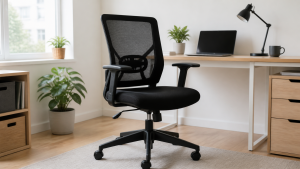
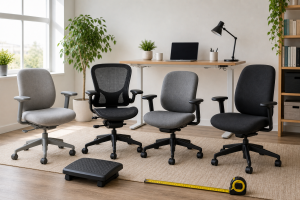
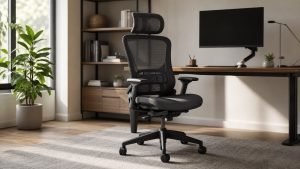
Quick Picks: Best Desk Chairs for Short People
Start with fit, then choose the chair style. A lower minimum seat height matters, but it is not the only number. Seat depth decides whether your back can reach the backrest without the front edge pressing into your legs. Arm adjustment decides whether your shoulders can relax while typing. Desk height decides whether the chair can actually be used at a comfortable working position.
| Pick | Best for | Key short-person fit notes | Main tradeoff |
|---|---|---|---|
| Steelcase Leap V2 | Best overall | 15.5-20.5 inch seat height, 15.75-18.75 inch adjustable seat depth, adjustable lumbar and arms | Still may need a footrest for very short legs or high desks |
| Herman Miller Aeron Size A | Best mesh chair | Size A is the small frame, with a very low official 14.75 inch minimum seat height | Wrong Aeron size can feel much worse than a cheaper chair |
| Herman Miller Sayl | Best compact design | Compact back, official 16-20.5 inch seat height range, better scale for many shorter users | Some Amazon configurations have fixed seat depth or fixed arms |
| Steelcase Series 1 | Best lower-cost Steelcase pick | 16.5-21.5 inch seat height, 15.5-17.75 inch adjustable seat depth | Minimum height is not as low as Aeron Size A or Leap V2 |
| Steelcase Amia | Best cushioned alternative | 16.5-21.5 inch height range, adjustable seat pan, supportive padded seat | Price can overlap with Leap V2 |
What Short Users Should Measure Before Buying
The right chair starts with your body and desk, not with a product name. Before buying, sit in your current setup and check four things: whether your feet rest flat, whether you can sit all the way back without pressure behind your knees, whether your elbows can stay near a 90-degree angle, and whether your desk is forcing the chair higher than your legs want.
Many shorter users focus on chair height because that is the easiest spec to compare. That is important, but a chair with a low cylinder can still feel oversized if the seat pan is too deep or the armrests sit too wide. A chair with an adjustable seat depth is usually safer than a chair with a fixed deep cushion, especially if you are around 5’0″ to 5’4″ or have shorter legs relative to your torso.
Also measure the desk. If your desk is too high, lowering the chair enough for your feet can make your keyboard and mouse too high. That is why some short users end up needing a footrest even with a good chair. The footrest is not a failure; it is often the cleanest way to solve the desk-height problem without replacing the whole workstation.
Seat Height: Feet Flat Matters More Than Headline Ergonomics
Your feet should be supported while you work. If they hang, the front edge of the seat can load your thighs, your lower back may work harder, and you may slide forward instead of using the backrest. For many short users, a chair that starts around 15 to 16.5 inches is friendlier than one that starts at 17.5 or 18 inches.
The exact number depends on leg length, shoe height, cushion compression, and desk height. A 5’3″ user may be fine in one 16.5 inch chair and uncomfortable in another if the cushion is firm, the seat is deep, or the desk forces a higher sitting position.
Seat Depth: Avoid Pressure Behind the Knees
Seat depth is the spec that gets missed most often. If the seat is too deep, you have two bad choices: sit forward and lose the backrest, or sit back and let the front edge press behind your knees. Neither feels good for long desk sessions.
Look for an adjustable seat pan or a naturally shorter seat depth. The sweet spot is usually a seat that lets you sit against the backrest while leaving a little space behind the knees. This is why the Leap V2, Series 1, and Amia are stronger candidates than many fixed-seat office chairs.
Best Overall: Steelcase Leap V2
The Steelcase Leap V2 is the safest overall pick because it gives shorter users several ways to make the chair smaller. The Amazon listing for the Leap V2 shows a 15.5-20.5 inch seat height range and a 15.75-18.75 inch adjustable seat depth. That combination matters more than a single comfort claim because it helps solve both common problems: feet support and knee clearance.
The Leap V2 also has adjustable lumbar support and flexible arm adjustment, so it works better for people whose shoulders feel crowded or lifted by fixed arms. The back is supportive without being a tall, racing-style shell, and the seat pan adjustment makes it easier to sit against the backrest instead of perching on the front edge.
Owner discussion around the Leap is mostly positive for shorter users, but not universally perfect. In one office-chair discussion, it was recommended as a good choice for short people, while a 5’3″ user said their feet only barely touched the floor and they still needed a footrest. That matches the real buying lesson: the Leap is more adjustable than most chairs, but it cannot fix a desk that is too high or legs that need an even lower sitting position.
Choose the Leap V2 if you want one chair with the broadest fit range and you are willing to fine-tune it after delivery. If you are under about 5’2″, plan on testing it with your actual desk and keeping a footrest in mind.
Best Mesh Chair: Herman Miller Aeron Size A
The Herman Miller Aeron can be excellent for short users, but only if you buy the right size. For this search, that usually means Size A. The Amazon page identifies the recommended model as Size A, and Herman Miller’s official dimensions list the Size A minimum seat height at 14.75 inches. That is lower than most task chairs and makes it one of the strongest options for very short users who want a mesh seat.
The Aeron is not a forgiving one-size chair. Its molded frame and waterfall front edge are part of what make it feel supportive when the size is correct, but they can become the problem when the size is wrong. In real chair discussions, short users are often warned not to buy an Aeron just because it is famous. The correct frame size matters because the wrong front edge can press into the legs.
Choose Aeron Size A if you want a breathable mesh chair, run warm in padded seats, or need the lowest seat-height range among the picks here. Skip it if you cannot confirm Size A, dislike a firmer mesh feel, or want a softer padded cushion. For short buyers, a correctly sized Aeron is the product; a random used Aeron listing is not enough.
Best Compact Design: Herman Miller Sayl
The Herman Miller Sayl is the pick for a compact home office where a tall executive chair feels visually and physically oversized. Herman Miller lists the Sayl with a 16-20.5 inch seat height range and a compact 18 inch seat width. Its back is supportive without rising too high, which is one reason shorter users often find it easier to live with than chairs built around taller frames.
The Sayl comes up positively in real owner conversations for average-shorter people, especially because the backrest does not climb too high behind the shoulders. That matters in a small home office: a chair can technically fit your legs but still feel too large if the back, arms, and visual footprint dominate the room.
The main caution is configuration. The Amazon listing reviewed for this article describes a Sayl setup with stationary seat depth and stationary arms, while Herman Miller’s configurable versions can vary. For short users, fixed arms and fixed seat depth remove two of the most useful fit adjustments. Before buying, check the exact configuration, not just the product name.
Choose Sayl if you want a lighter-looking ergonomic chair for a small room and you are not the shortest person in the fit range. If you need the most forgiving adjustability, the Leap V2 is still the more flexible chair.
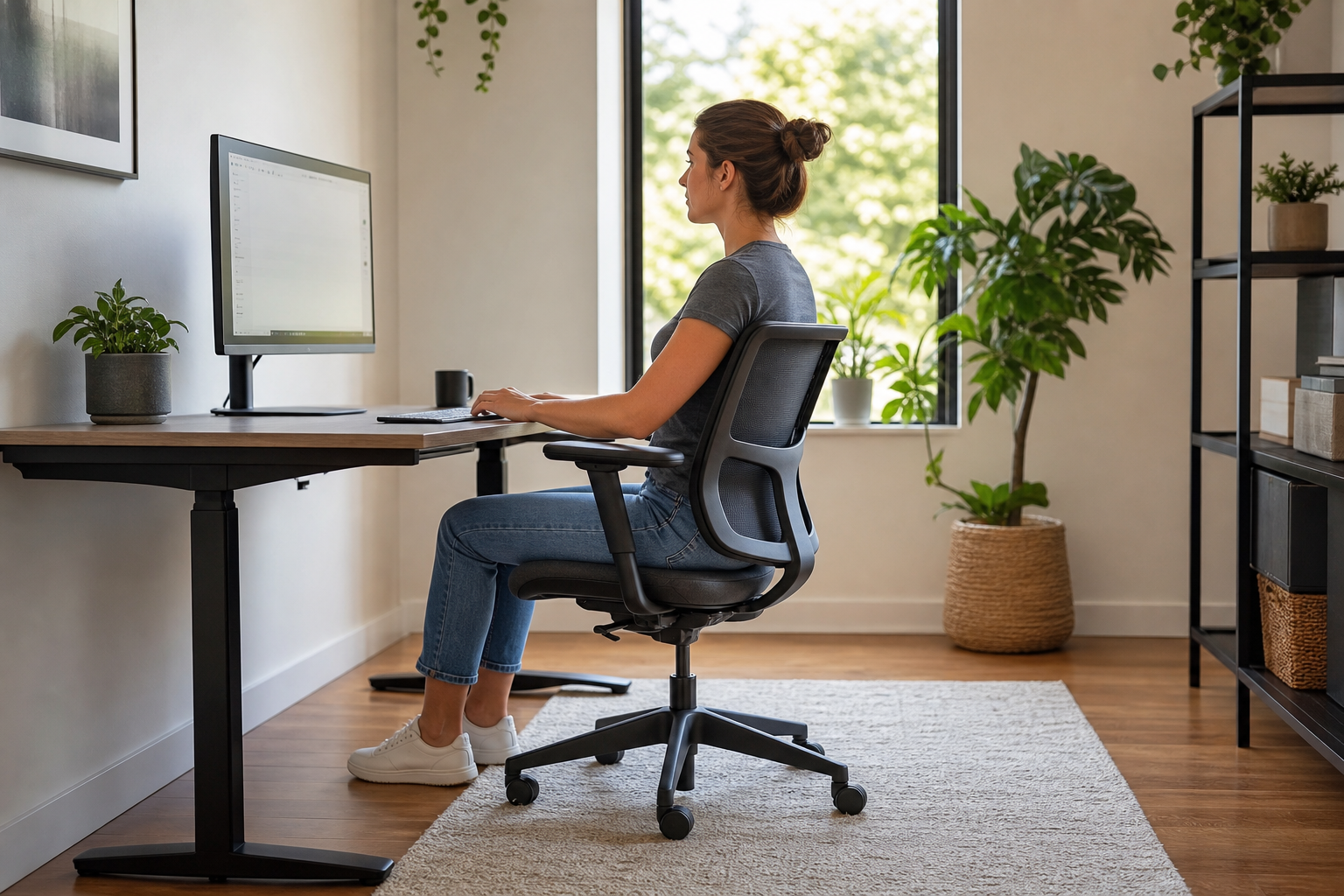
Best Lower-Cost Steelcase Pick: Steelcase Series 1
The Steelcase Series 1 is the best lower-cost Steelcase option when you want real ergonomic adjustment without moving all the way up to the Leap V2 or Amia. Its Amazon page lists a 16.5-21.5 inch seat height range and a 15.5-17.75 inch seat depth range, plus adjustable lumbar and adjustable arms.
Those numbers are useful for shorter users because the seat depth starts short enough to help many people sit against the backrest. The minimum height is not as low as Aeron Size A or Leap V2, so very short users should be more cautious. If your current chair is uncomfortable mainly because the seat is too deep, the Series 1 may solve more than a simple low-height chair with a fixed cushion.
Visible review patterns on the Amazon page are generally positive around comfort, assembly, construction, back support, and adjustability. The tradeoff is that Series 1 is a smaller, simpler chair than the Leap. It is a practical pick for apartment desks, hybrid work setups, and buyers who want Steelcase adjustability at a more reachable price.
Choose Series 1 if you are short but not extremely short, want a compact footprint, and care more about adjustable depth and arms than premium cushioning.
Best Cushioned Alternative: Steelcase Amia
The Steelcase Amia is the best cushioned alternative for people who do not like mesh seats or who want a more traditional padded task chair. The Amazon page lists a 5 inch cylinder range from 16.5 to 21.5 inches, and independent review coverage highlights the Amia’s adjustable arms, adjustable lumbar support, and easy seat pan depth adjustment.
The padded seat is the reason to consider it over Aeron Size A. Some people love mesh; others find it too firm or too shaped. Amia gives you a more familiar cushion while still keeping the fit tools that matter for shorter legs. Its seat depth adjustment is especially important because it helps you bring your back to the chair instead of sliding forward.
Petite users in real discussions have also pointed to Amia as a comfortable option, with adjustable seat depth showing up as a recurring reason. Another repeated theme is that the chair is only one part of the setup. If the desk cannot lower enough, a footrest may still make the whole workstation feel better.
Choose Amia if you want a cushioned Steelcase chair and prefer a slightly softer, simpler feel. Compare it directly with Leap V2 if prices are close; the Leap usually offers the broader adjustment package, while Amia wins for people who simply prefer its seat and back feel.
Reddit and Owner Feedback: What Actually Bothers Short Sitters
The most useful owner feedback is not just “this chair is comfortable.” Shorter sitters tend to describe very specific problems: feet barely reaching the floor, seat pans that press behind the knees, desks that make every chair feel too high, and armrests that push the shoulders upward.
That is why a chair with adjustable seat depth often feels better than a chair with a long fixed cushion, even if both have lumbar support. If the seat is too deep, the lumbar support never lands where it should because the user cannot sit all the way back. The backrest becomes decoration instead of support.
Footrests also show up repeatedly in real petite-user conversations. A footrest is not a sign that the chair is bad. It usually means the desk height is dictating the sitting height. If your keyboard needs to stay at a higher desk, raising the chair and supporting the feet can be more comfortable than forcing the chair low and reaching upward to type.
Aeron discussions also show why size labels matter. For short users, Size A is not a minor detail; it is the difference between a mesh chair built around a smaller frame and a chair that can press in the wrong places. Sayl feedback points in a different direction: a compact backrest can feel more natural when tall chair backs feel oversized.
Fit Checklist Before You Buy
Use this checklist before you order:
- Minimum seat height: Look for roughly 15 to 16.5 inches if you are short, and lower if you are very short.
- Seat depth: Prefer adjustable depth or a naturally shorter seat pan. You should be able to sit back without pressure behind your knees.
- Armrests: Adjustable arms are better than fixed arms. They should not force your shoulders upward.
- Desk height: If the desk is high, budget for a footrest or consider a keyboard tray.
- Return policy: Fit is personal. A chair that works for one 5’3″ person may not work for another.
- Configuration: Check the exact version. Seat-depth and arm options can change across listings.
- Used or refurbished listings: Confirm size, cylinder height, arm style, and return terms before buying.
If you are between two chairs, choose the one with better seat-depth and arm adjustment unless you already know the other chair fits your body. For short users, adjustability is not a luxury feature; it is how the chair becomes the right size.
Final Verdict: The Best Desk Chair for Most Short People
For most short people, Steelcase Leap V2 is the best overall pick because it combines a low 15.5 inch starting height, adjustable seat depth, adjustable lumbar, and flexible arms. It gives you the most ways to make the chair fit instead of hoping the default shape works.
Choose Herman Miller Aeron Size A if you want mesh and need the lowest seat-height range. Choose Herman Miller Sayl if you want a compact chair for a smaller room. Choose Steelcase Series 1 for a lower-cost Steelcase option, and Steelcase Amia if you prefer a cushioned seat.
The best choice is the one that lets your feet, knees, arms, and desk work together. If one of those four pieces is wrong, even a premium chair can feel like the wrong chair.
FAQ
What Seat Height Is Best for a Short Person?
Many short users should start by looking for chairs with a minimum seat height around 15 to 16.5 inches. Very short users may need something closer to 15 inches or below. The number is not universal because leg length, shoe height, cushion firmness, and desk height all change the result.
The practical test is simple: can your feet rest flat while your back reaches the backrest and your arms type comfortably? If not, either the chair, desk, or foot support needs adjustment.
Is Herman Miller Aeron Size A Good for Short People?
Yes, Aeron Size A can be a strong option for short people because it is the small Aeron frame and has a very low official minimum seat height. The warning is that Aeron sizing matters more than the brand name. Size B or C may not feel right for shorter legs, especially around the front edge of the seat.
If you want Aeron specifically, confirm that the listing is Size A and that the return policy gives you room to test the fit.
Do Short People Need a Footrest With an Office Chair?
Sometimes, yes. A footrest is often useful when the desk is too high to let the chair stay at its lowest comfortable height. In that setup, raising the chair to reach the keyboard and supporting the feet can feel better than keeping the chair low and reaching upward all day.
A footrest is especially worth considering if your chair otherwise fits well but your feet still do not land comfortably.
Is Seat Depth More Important Than Lumbar Support?
For short users, seat depth often comes first. Lumbar support matters, but it only works if you can sit back far enough to use it. If the seat pan is too deep, you may sit forward and miss the backrest entirely.
The best chair has both: a seat pan short enough or adjustable enough for your legs, plus a backrest that supports your lower back once you are seated properly.
Are Gaming Chairs Good for Short People?
Most racing-style gaming chairs are not the first place to look. Many have deep seats, wide shoulders, tall backs, and fixed shapes that are better for appearance than petite fit. Some smaller gaming chairs can work, but you should judge them by the same measurements: minimum seat height, usable seat depth, armrest range, and return policy.
For daily desk work, a properly sized task chair is usually a better bet than a large gaming chair with a fixed bucket shape.